


Across Europe, and particularly in Switzerland, the labour market is undergoing profound change. Technological advances, the rise of artificial intelligence, talent shortages, an ageing population and shifting expectations among younger generations are challenging traditional assumptions. Both organisations and employees are increasingly faced with strategic choices that will shape their future.
In a recent episode of the Helm ab! podcast by the Swiss Construction School (Schweizerische Bauschule), Dr Pascal Scheiwiller explores these transformations and the skills Switzerland will need in the years ahead. The discussion offers a broader perspective on the megatrends reshaping the Swiss labour market and the steps organisations can take to remain attractive, competitive and resilient.
The Swiss labour market: Under pressure and undergoing profound change
The Swiss labour market is often recognised for its resilience and low unemployment rate. Yet behind this apparent stability, significant changes are taking place. Several trends are converging:
- persistent talent shortages across many skilled professions
- rapid technological advances, particularly in AI and automation
- major demographic shifts, including an ageing workforce
- evolving employee expectations around purpose, flexibility and professional development
Together, these factors are placing increasing pressure on organisations. They must secure critical skills, anticipate changes in job requirements, and provide attractive career opportunities for their people.
For employees, this means adapting continuously, embracing career transitions where necessary, and developing new skills throughout their working lives.
Megatrends and talent shortages: changing the rules of the game
Technology, AI and automation: jobs are being transformed, not just eliminated
Artificial intelligence and automation are fundamentally changing the way work is carried out across many industries, including construction and technical professions. While some repetitive or low-value tasks are being automated, new demands are emerging around:
- proficiency in digital tools and AI
- the ability to analyse and interpret data
- effective coordination between people and technology
The challenge is not simply that jobs are disappearing; jobs are being redefined. Roles that rely primarily on standardised tasks are becoming more vulnerable, while professions that combine technical expertise, digital fluency and the ability to collaborate in complex environments are becoming increasingly strategic.
Demographic shifts, new generations and changing industry needs
At the same time, demographic trends and changing expectations among younger generations are reshaping the labour market. Switzerland must contend with:
- a growing proportion of experienced employees whose expertise needs to be retained while preparing the next generation
- younger professionals who place greater emphasis on work-life balance, development opportunities and meaningful work
- sectors facing acute labour shortages, particularly those requiring advanced technical skills or a high degree of labour intensity
The result is a double challenge: organisations are struggling to recruit for certain roles at the very moment they need to accelerate transformation. This makes it essential to rethink the attractiveness of key professions, invest in skills development and create greater opportunities for career mobility.
How organisations can prepare today
Mapping skills and anticipating disruption
In this environment, the organisations gaining a competitive advantage are those that:
- have a clear understanding of the skills and capabilities already present within their workforce
- identify the roles most exposed to technological, regulatory and demographic change
- define the skills they will need in three, five or even ten years’ time.
This type of skills mapping enables organisations to prioritise their actions, whether through targeted recruitment, upskilling and reskilling programmes, career transitions, or more effective deployment of internal talent.
Supporting employees through career transitions
Beyond strategy, success ultimately depends on an organisation’s ability to support employees through change in practical ways by:
- making internal mobility opportunities visible and accessible
- providing personalised development pathways
- offering tailored support when roles evolve, disappear or require significant reskilling
This approach lies at the heart of Alixio’s DNA: helping organisations balance business performance with career security for employees, while addressing the human impact of workforce transformation and labour market change.
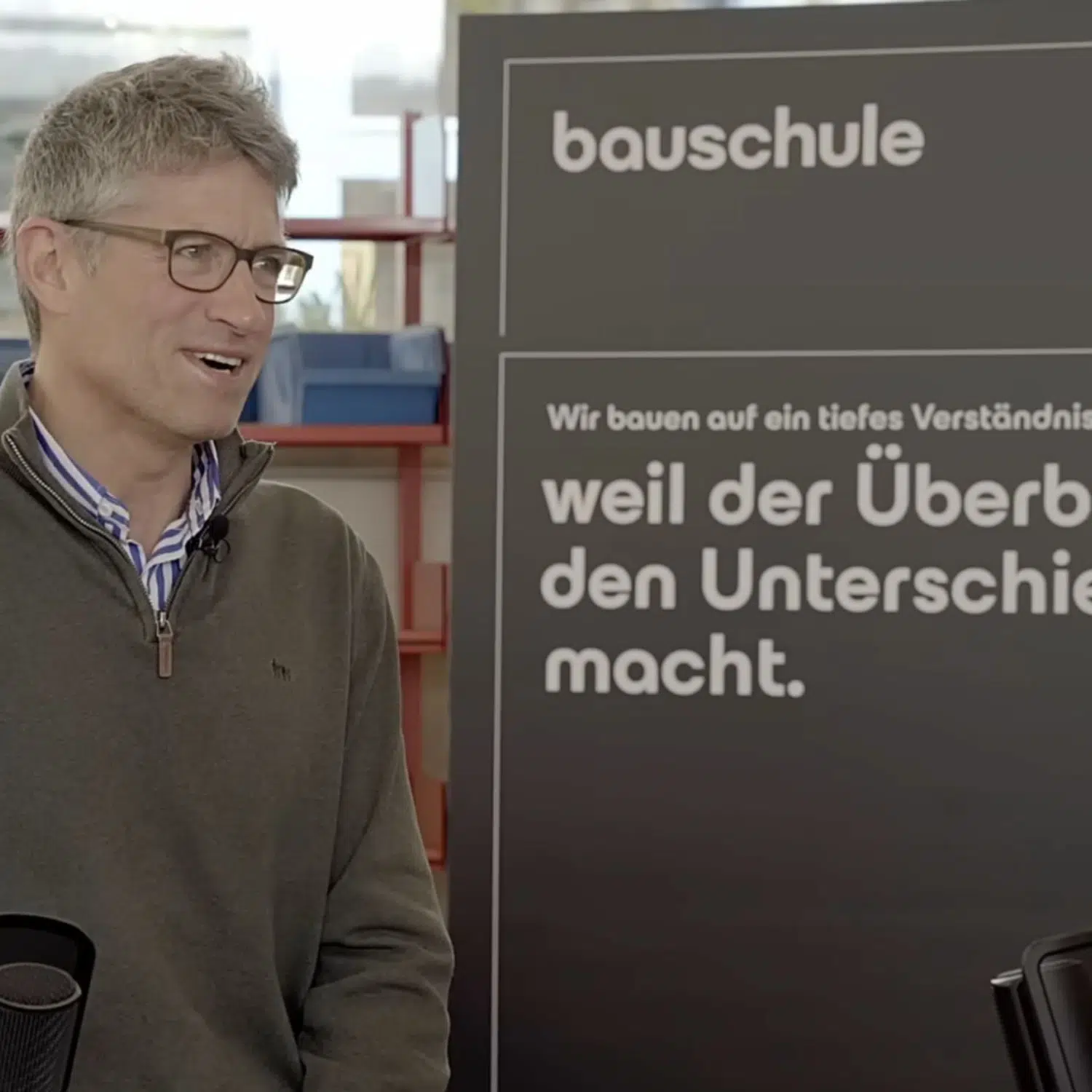
A podcast exploring the future of the Swiss labour market
For those interested in exploring the topic further, the Helm ab! podcast from the Swiss Construction School (Schweizerische Bauschule) features an episode dedicated to the evolution of the Swiss labour market and the skills that will be needed in the future.
Hosts Osi von Arx and Chris Regez welcome Dr Pascal Scheiwiller for an in-depth discussion on the trends reshaping the world of work in Switzerland and how organisations can prepare for what lies ahead.
Throughout the discussion, they explore topics including:
- the most significant changes observed in the labour market in recent years
- the megatrends currently shaping the world of work
- the sectors facing the greatest pressure in Switzerland
- the impact of artificial intelligence on jobs and skills
- the skills likely to be most in demand over the next five to ten years
- whether the focus is shifting from technical expertise towards soft skills
- the qualified profiles that remain difficult to recruit and the areas where talent availability is less constrained
The episode provides valuable insight into the challenges organisations will face in the years ahead, as well as the opportunities available to professionals willing to adapt and continue developing their skills.
👉 You can listen to the full podcast episode on YouTube (see opposite).
Further insights
The transformation of the Swiss labour market is not a distant prospect – it is already underway. Driven by the combined forces of technology, AI, demographic change and talent shortages, jobs are evolving, new professional profiles are emerging, and soft skills are becoming an increasingly important determinant of success.
For organisations, the challenge is not simply to react to these changes, but to anticipate them: developing a clear view of future skills requirements, investing in employee development, and actively supporting career transitions. For employees, it represents an opportunity to strengthen their employability by focusing on adaptability, communication and lifelong learning.
Alixio supports organisations throughout this journey, placing people at the heart of workforce transformation. If you would like to discuss the evolution of skills within your organisation or explore how labour market changes may affect your workforce, our Swiss team would be delighted to help.